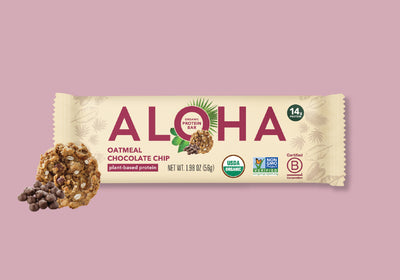
Adding fiber bars to your child’s diet doesn’t have to be complicated. The key is to make them a fun and natural part of their daily routine rather than a forced healthy snack. Fiber bars can fit into any schedule, whether they need an energy boost before school or a quick bite after soccer practice.
Pack Them In Lunchboxes
Include a fiber bar instead of sugary granola bars or processed snacks in your child’s lunchbox. Fiber bars provide long-lasting energy and balanced nutrition, making them a great way to fuel kids through the school day. Pair a bar with fresh fruit, a handful of nuts, or dairy-free yogurt for a complete, fiber-rich meal.
Use Them As A Pre- Or Post-Activity Snack
Kids need sustained energy before a long day of activities that won’t cause a sugar crash. Fiber bars are packed with plant-based protein and fiber to keep them going. After sports or playtime, they’re also a satisfying snack to recharge after activity.
Turn Them Into A Breakfast Option
Busy mornings can make it tough to prepare a nutritious breakfast. Fiber bars are a quick, no-prep solution for kids who need to eat on the go. Pair a bar with a smoothie, nut butter, or a glass of plant-based milk for a balanced and filling start to the day.
Use Them As A Healthy Dessert Alternative
Kids love sweets, but most store-bought desserts are loaded with refined sugars. ALOHA protein bars, especially flavors like Chocolate Chip Cookie Dough and Banana Bread Chocolate Chip, satisfy sweet cravings in a healthier way. Instead of giving them candy or processed treats, offer a fiber bar as a naturally sweet, nutrient-dense option.
Make Them Part Of A DIY Snack Plate
Kids love variety, and a well-balanced snack plate can make healthy eating more exciting. Cut a fiber bar into small squares and serve it alongside fresh fruit, nut butter, or a handful of seeds for a fun and nutritious snack platter. This allows them to mix and match flavors while getting the needed fiber.
How Much Fiber Do Kids Really Need?
Getting enough fiber is essential for kids, but many don’t consume nearly enough. The recommended daily fiber intake depends on age, but most experts suggest children should consume their age plus 5 grams of fiber per day. This means a 5-year-old needs about 10 grams, while a 10-year-old should aim for 15 grams.
Here’s a general guideline for daily fiber intake based on age:
- 1–3 years old: 14 grams per day
- 4–8 years old: 17–20 grams per day
- 9–13 years old: 22–25 grams per day
- 14–18 years old: 25–30 grams per day
Many kids fall short of these recommendations because their diets often consist of processed foods, refined grains, and low-fiber snacks. Instead of fiber-rich whole foods, they consume foods that digest quickly, leaving them hungry sooner and without the benefits of a well-functioning digestive system.
Read also:


 collection header image
 collection header image